September 1, 2026
Clogged drains are a common household nuisance that can interfere with everyday routines and, when left unresolved, may contribute to more serious plumbing problems. Kitchen sinks, showers, bathtubs, bathroom sinks, and other fixtures regularly handle water along with grease, food particles, hair, soap residue, minerals, and other materials. Over time, these substances can accumulate inside pipes and restrict water flow. Understanding what causes clogged drains allows homeowners to recognize risky habits, take preventive action, and respond to early warning signs before a minor drainage problem develops into a larger plumbing concern.
Because plumbing fixtures are used continuously, maintaining clear drainage is an important part of routine home care. Slow-moving water, unpleasant drain odors, gurgling sounds, and recurring backups can indicate that material is beginning to accumulate inside the plumbing system. Preventive measures do not have to be complicated. Proper waste disposal, drain screens, routine cleaning, and attention to changes in drainage can all help protect household pipes. The following common causes demonstrate where blockages frequently originate and what homeowners can do to reduce their likelihood.
Managing Kitchen Grease and Cooking Oils
Fats, oils, and grease are among the most common causes of kitchen drain problems. Although cooking grease may be liquid when it is hot, it can cool and solidify after entering the plumbing system. The resulting residue adheres to pipe walls and creates a sticky surface that catches food particles and other debris. Each additional layer reduces the space available for wastewater to travel through the pipe. Eventually, enough material can accumulate to produce clogged drains that are difficult to clear with ordinary household methods.
The most effective approach is to keep grease out of the plumbing system altogether. Cooking oil and grease should be allowed to cool and then placed in an appropriate container for disposal according to local requirements. Greasy pans, dishes, and cooking utensils can also be wiped with a paper towel before washing. These simple practices limit the amount of fatty residue entering pipes and reduce the opportunity for buildup to develop over time.
Controlling Food Waste in Kitchen Sinks
Food particles can create drainage problems even in kitchens equipped with garbage disposals. Rice, pasta, and other starchy foods can absorb water and expand, while coffee grounds may collect rather than dissolve. Fibrous vegetables, eggshells, and similar materials can also become trapped in pipes or combine with existing residue. A garbage disposal can process certain foods, but it does not make every type of kitchen waste safe for the drainage system.
Homeowners can reduce clogged drains by scraping plates and cookware into a garbage or compost container before rinsing them. A sink strainer provides another useful layer of protection by catching solid particles before they enter the drain opening. When using a garbage disposal, homeowners should follow the manufacturer's instructions and run an appropriate stream of water while the appliance operates. Regularly cleaning the disposal and removing trapped debris from strainers can further support efficient drainage.
Preventing Hair Accumulation in Bathrooms
Hair is a particularly troublesome material because individual strands can become intertwined inside drain openings and pipes. Once hair begins collecting, soap residue, skin cells, oils, and personal care products may attach to it. The resulting mass can gradually become larger and denser, eventually slowing the movement of water through a shower, bathtub, or bathroom sink. Because this process often develops gradually, homeowners may initially notice only that water takes slightly longer than usual to disappear.
Hair-catching screens and drain covers provide a simple way to prevent clogged drains in bathrooms. These inexpensive devices intercept strands before they enter the plumbing system and can be removed for cleaning. Hair should also be cleared from sinks, showers, and bathtubs after grooming rather than rinsed toward the drain. Cleaning catchers frequently is important because a device covered with hair and soap residue can itself interfere with drainage.
Reducing Soap Scum Inside Pipes
Soap residue can accumulate along the interior surfaces of plumbing pipes, especially when traditional soap products interact with minerals found in hard water. The resulting material can form a sticky or chalky coating that gradually narrows the pipe. Hair, dirt, oils, and other debris can then adhere to this layer. Bathroom sinks, showers, and tubs are particularly susceptible because they regularly handle combinations of soap, shampoo, conditioner, body oils, and other personal care products.
Routine cleaning can help limit this buildup. Homeowners should clean drain covers and visible residue around fixture openings before deposits become substantial. Non-corrosive products appropriate for the home's plumbing materials may also be used according to manufacturer instructions. Harsh chemical cleaners should be approached carefully because repeated or improper use may damage certain plumbing components. Preventing residue from accumulating is generally easier than attempting to remove a significant obstruction later.
Addressing Hard Water and Mineral Deposits
Hard water contains elevated concentrations of dissolved minerals such as calcium and magnesium. As water repeatedly passes through plumbing fixtures, mineral deposits can form on faucets, showerheads, drains, and potentially inside pipes. These deposits may combine with soap residue and other materials, gradually restricting water flow. White or chalky deposits around fixtures are often visible indications that mineral accumulation is occurring elsewhere in the plumbing system as well.
In homes where mineral buildup contributes to recurring clogged drains, homeowners may benefit from having their water conditions and plumbing evaluated. Appropriate descaling procedures can sometimes remove mineral deposits, while water treatment equipment may be considered when hard water is a persistent household concern. Any treatment method should be compatible with the property's plumbing materials and water system. Addressing the underlying water conditions may provide a more sustainable solution than repeatedly treating the symptoms of mineral accumulation.
Keeping Toilets Free of Improper Materials
Toilets are designed to handle human waste and toilet paper, but other products may not break apart readily after flushing. Paper towels, facial tissues, wipes, cotton swabs, dental floss, hygiene products, and similar materials can become lodged in toilet traps or drainage lines. Even products marketed as flushable may behave differently from toilet paper depending on their composition and the plumbing system. Repeatedly flushing unsuitable materials increases the possibility of a blockage.
Household members should dispose of non-toilet materials in a waste container rather than flushing them. This habit can help prevent clogged drains while also reducing unnecessary stress on sewer or septic systems. If a toilet repeatedly backs up despite careful flushing practices, the problem may be located deeper in the plumbing system and should be investigated rather than repeatedly treated as an isolated fixture clog.
Protecting Drains From Foreign Objects
Small objects can accidentally enter plumbing fixtures and cause unexpected blockages. Jewelry, bottle caps, toys, cosmetic items, pieces of packaging, and other household objects may become lodged in drains or toilets. Children may also accidentally or intentionally place objects into plumbing fixtures. Once an item becomes trapped, additional debris can accumulate around it, transforming a relatively small obstruction into a substantial blockage.
Drain covers can reduce the chance of foreign objects entering sinks, tubs, and showers. Homeowners with young children can also use appropriate toilet safety devices and keep small items away from bathroom fixtures. When an object does enter a drain, attempting to force it farther into the pipe can make removal more difficult. If it cannot be safely retrieved near the fixture opening, professional assistance may be the more appropriate response.
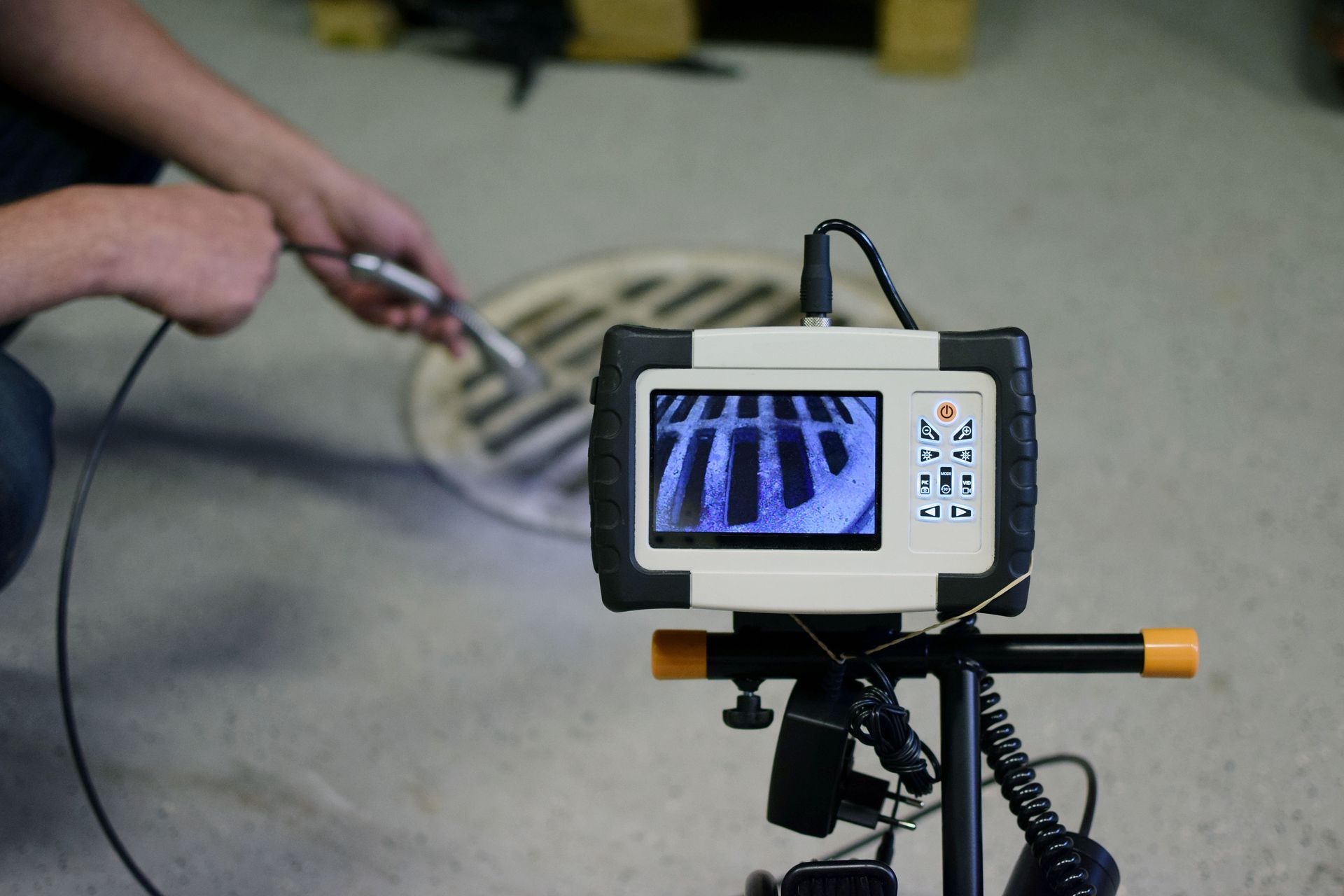
When clogged drains continue returning, affect multiple fixtures, produce sewage odors, or cause wastewater to back up into the home, professional evaluation may be necessary. Specialized equipment can locate and remove obstructions that household methods cannot safely reach while also revealing damaged or deteriorating pipes. Combining responsible daily habits, routine maintenance, and timely professional attention can help homeowners maintain dependable drainage and reduce the risk of disruptive plumbing emergencies. Contact our team at Elite Drains today and learn more about our drain services.